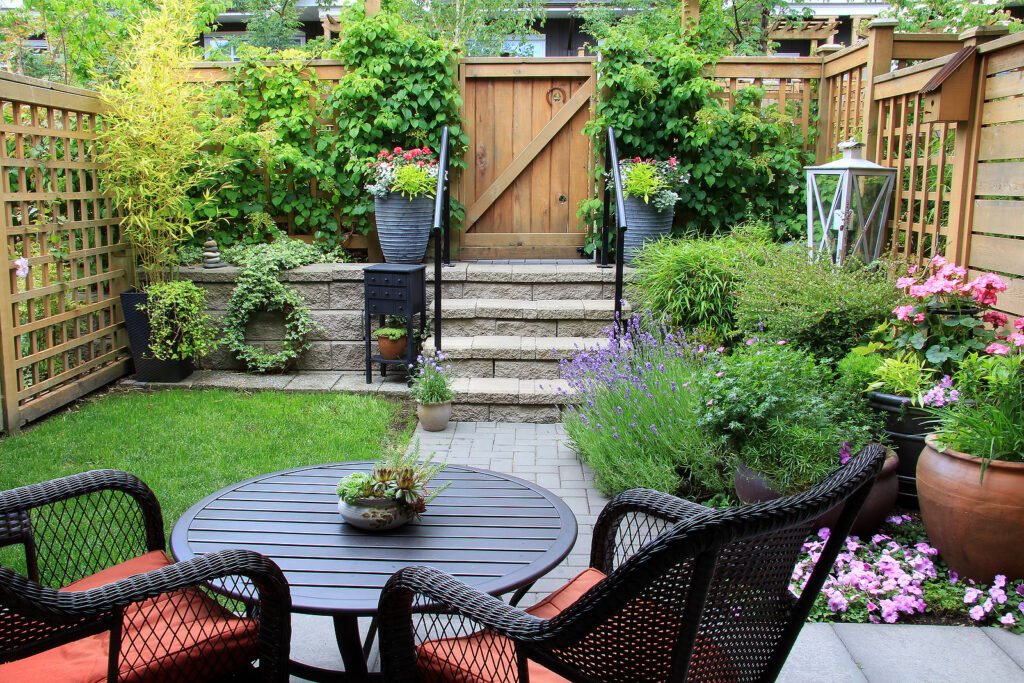
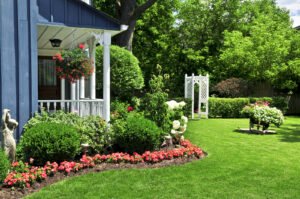
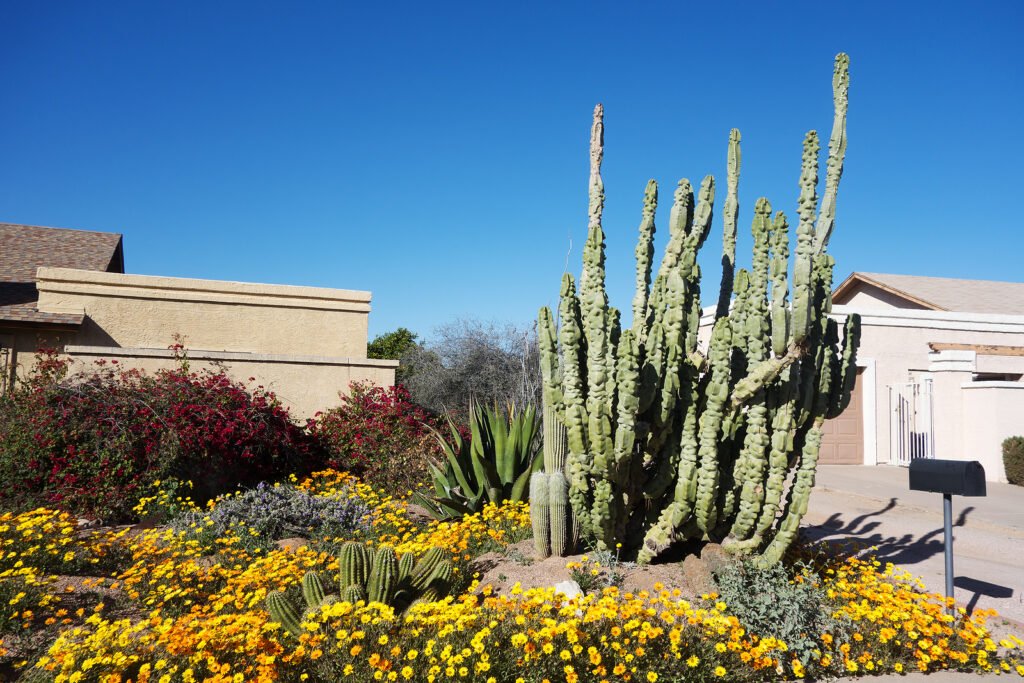
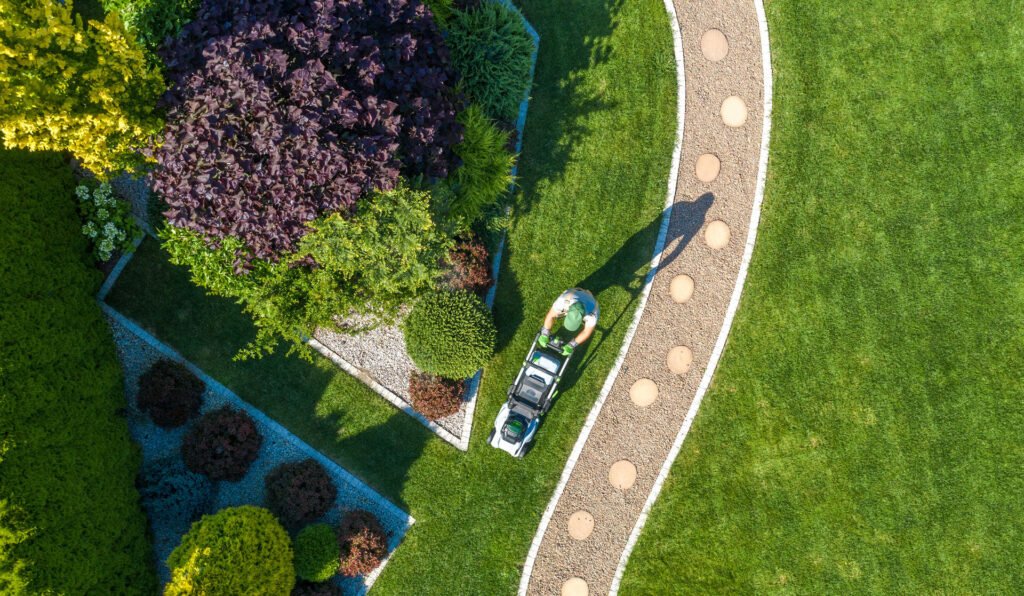
Scope of the Project: The scope of a landscaping project encompasses various elements that contribute to overall costs. Firstly, the size and complexity of the area to be landscaped play a crucial role. Projects involving large yards or multiple outdoor spaces typically require more materials and labor, leading to higher costs. Additionally, the desired features and elements, such as hardscaping (e.g., patios, walkways), softscaping (e.g., plants, trees), irrigation systems, and lighting, also influence expenses.
More intricate designs and features may require specialized installation techniques and materials, contributing to higher costs. It’s essential to assess the scope of the project thoroughly and consider all desired features to ensure accurate cost estimates and effective budgeting.
Type of Materials Used: The choice of materials used in landscaping significantly impacts project costs. Different materials, such as natural stone, pavers, gravel, mulch, and plants, come with varying price points and installation requirements. For example, natural stone and premium-grade pavers are more expensive but offer durability and aesthetic appeal, making them suitable for high-end projects or focal points in the landscape design. Conversely, gravel and mulch are more budget-friendly options for pathways and ground cover but may require more maintenance over time.
Additionally, factors such as the quality of plants and trees, irrigation systems, and lighting fixtures also influence costs. It’s essential to carefully consider the specific requirements of your project, including factors like budget, aesthetic preferences, and maintenance needs, when selecting landscaping materials to ensure the best value for your investment.